
What We Do
What we do
Jenel Energy develops and structures distributed energy projects that turn rooftops, land and electrical load into operating savings, recurring income, resiliency and long-term asset value.
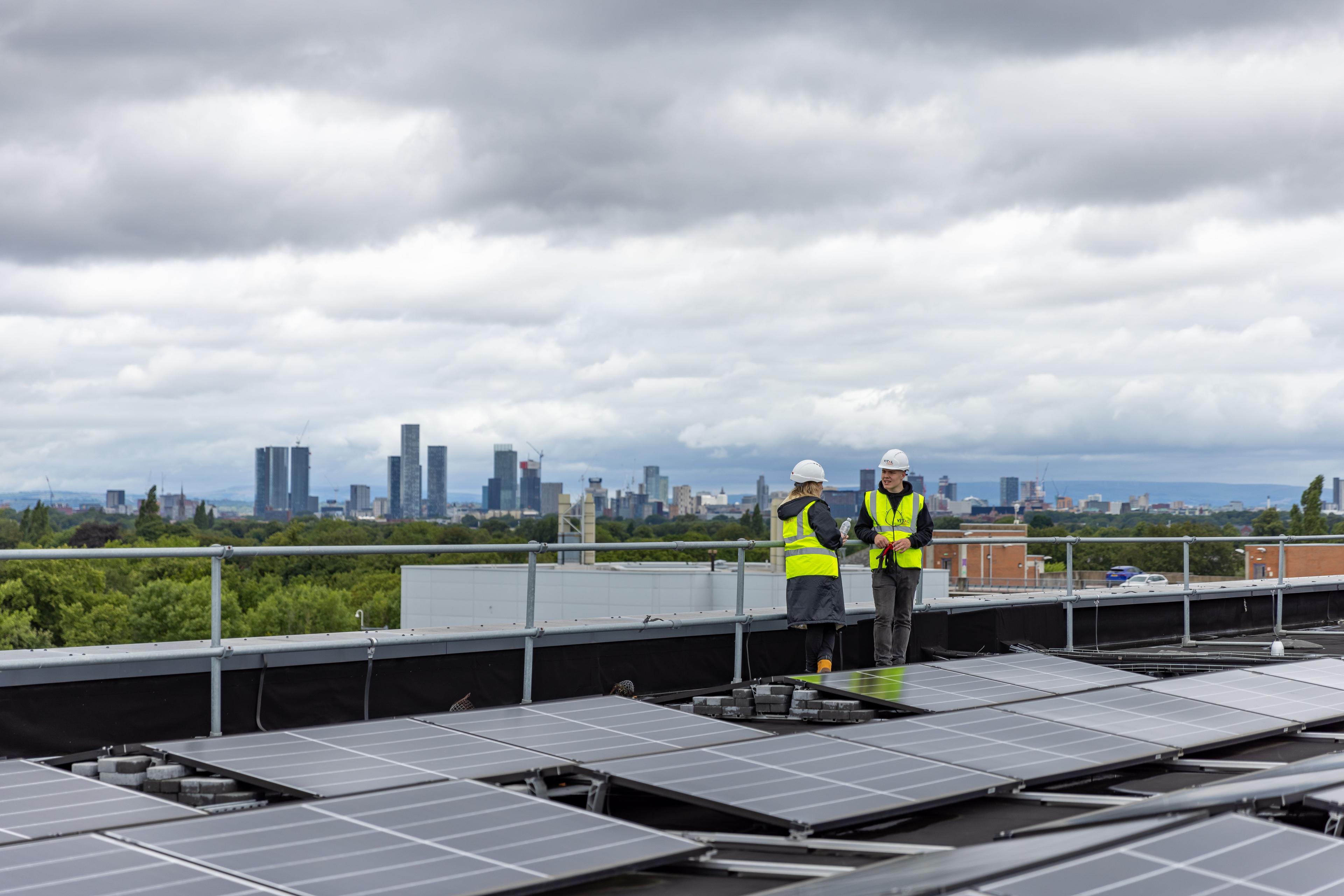
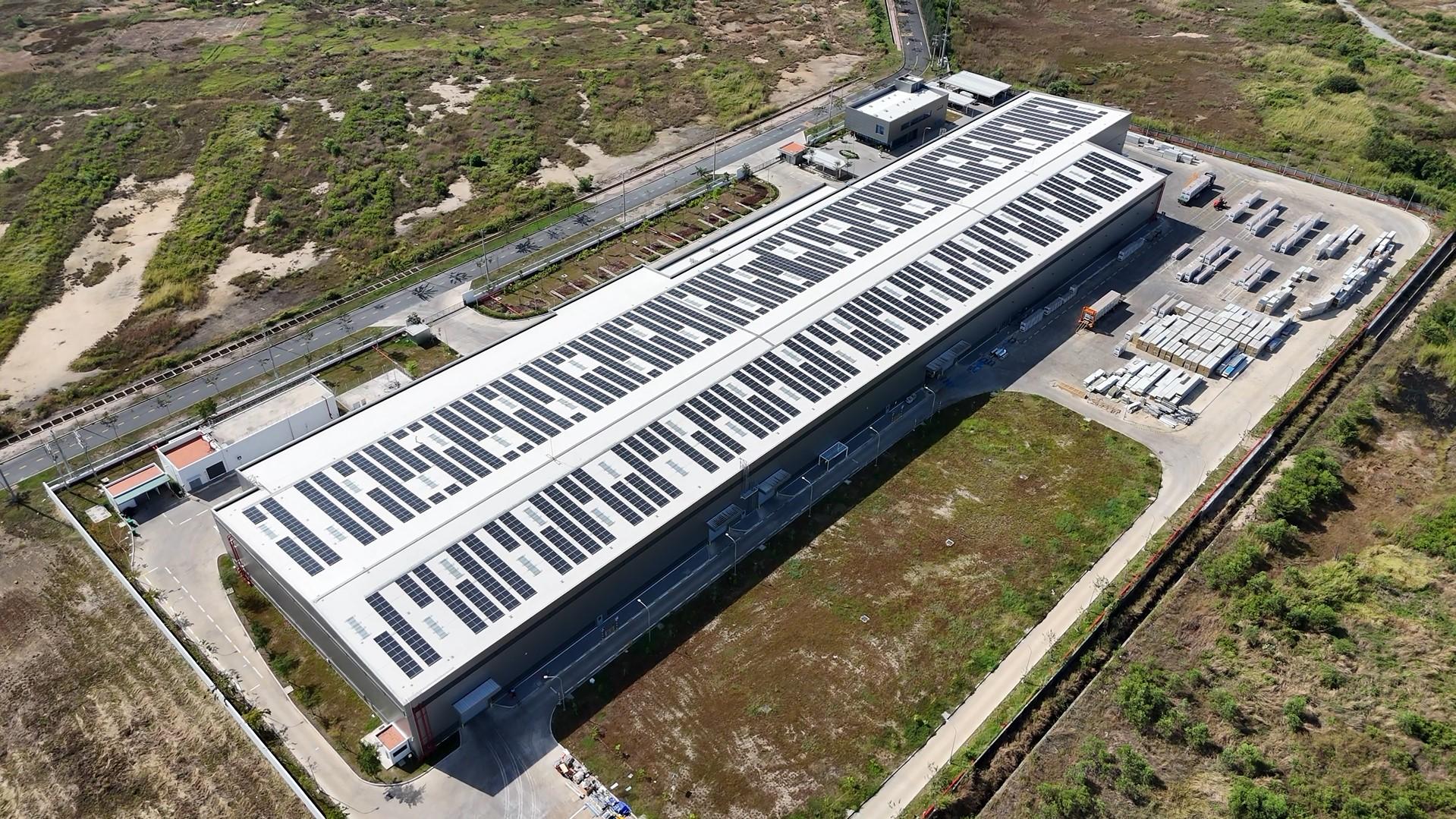
Rooftop Solar
Deployed on commercial rooftops, fast
Rooftop is where commercial solar economics are usually best and where execution usually goes wrong. A project is only fast if the structural, interconnection and roof-condition questions were answered before anyone started designing.
What we carry
Rooftop | Commercial | Multi-megawatt
Site feasibility, system layouts, production modeling, interconnection, engineering and EPC execution for commercial and multi-megawatt systems — one team from the first screen through commissioning and into operation.
- Structural and roof-condition assessment
- Layout and shade-adjusted production modeling
- Interconnection applications and utility coordination
- Permitting and incentive capture
- Engineering and EPC execution
- Commissioning, monitoring and long-term O&M
Why rooftop moves faster
When it does
Rooftop avoids most of what slows ground-up development. The land is already controlled, the entitlement burden is lower, the structure and roof condition are knowable in a single visit, and electrical service is already at the building. Ballasted racking keeps most systems off the membrane entirely.
Across a portfolio it compounds: one structural approach, one equipment standard, one interconnection playbook per territory, applied building by building rather than reinvented each time.
What actually slows it down
Said plainly
Four things, in roughly this order: remaining roof life, structural capacity for the added load, interconnection queue position in that territory, and the timing of the incentive program the economics depend on.
All four are knowable early, which is the entire argument for screening before designing. A developer who discovers them at engineering has already cost you a season.
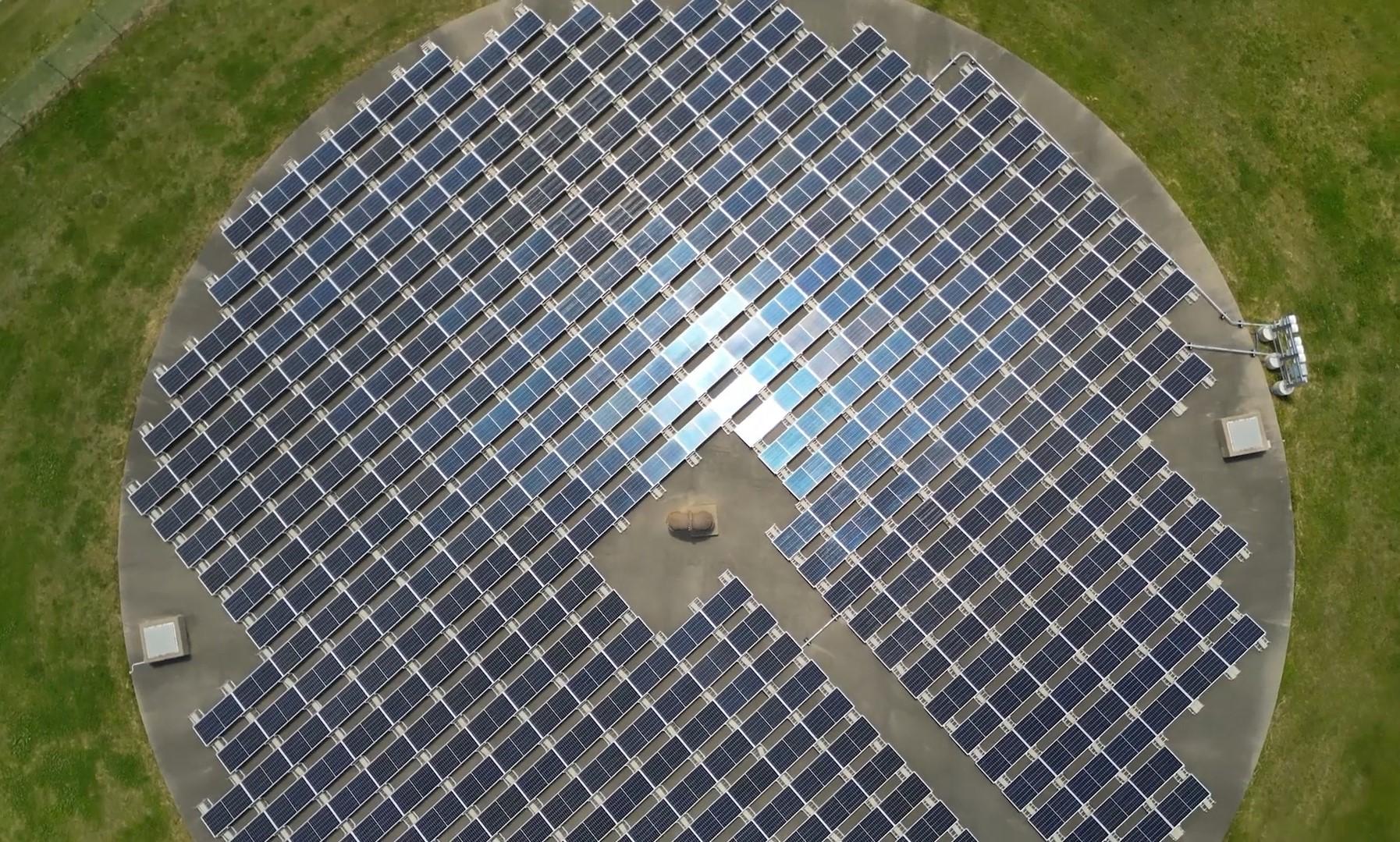
Ground Mount Solar
Where the land is the project
On ground mount, the array is the easy part. The project is the parcel — finding it, controlling it, entitling it, and knowing what the utility will connect. That is real estate work, and it is what this firm has done for thirty years.
What we carry
Ground | Canopy | Land
Site identification and control, utility studies, zoning and entitlement, civil and electrical engineering, incentives, financing, construction, commissioning and long-term operations.
- Site identification, assembly and land control
- Zoning, entitlement and community process
- Utility studies and interconnection positioning
- Civil, structural and electrical engineering
- Construction and commissioning
- Operations, dispatch and asset management
Parking canopy
The in-between case
Canopy sits between rooftop and ground mount: no land to acquire, but real structural and civil work, and a construction sequence that has to keep a lot operating. It earns its cost where covered parking has independent value to the owner or the tenant — otherwise the same capital usually does better on a roof.
The honest constraint
Queue and control
Two things decide whether a ground-mount site is worth pursuing, and neither is irradiance: whether the land can be controlled at a price the project supports, and where the interconnection queue stands in that territory. We check both before anyone spends money on design.
Storage
Sized around the bill, not the brochure
A battery is worth what it saves or earns on a specific tariff, against a specific load shape. Everything else is a specification sheet. Storage gets modeled here against interval data before a size is ever quoted.
What we carry
Standalone | Solar + Storage
Battery systems sized around interval load, demand charges, resiliency and grid opportunities, with dispatch and revenue optimization.
- Interval data and tariff analysis
- Demand-charge and time-of-use modeling
- Resiliency scoping for critical loads
- Standalone versus solar-paired evaluation
- Interconnection, permitting and fire-code compliance
- Dispatch strategy and revenue optimization
Where the value is
Usually demand
For most commercial and industrial sites, demand charges are the largest controllable line on the bill — and they are set by a handful of intervals a month. A battery that shaves those intervals is worth more than one sized to a nameplate figure, and often smaller than the one a vendor would quote.
Where the market supports it, the same asset can earn on grid programs. That is upside to underwrite carefully, not the basis for the investment.
Resiliency, specifically
Which loads, how long
“Backup power” is not a specification. The useful questions are which loads have to stay up, for how long, and what an hour of downtime actually costs the operation. Answer those three and the system sizes itself — usually to something more modest, and more defensible, than a whole-building figure.
From Opportunity to Operation
One team carries a site from first screen through commissioning and into long-term operation — so the party that modeled the economics is the party that has to live with them.
- Step 1: Screen
- Step 2: Model
- Step 3: Structure
- Step 4: Interconnect
- Step 5: Build
- Step 6: Operate
Before Recommending a System
Property
Roof/land area, structural condition, electrical infrastructure, access, zoning, permitting and site-control constraints.
Energy
Utility bills, interval load, tariffs, peak demand, operating profile, future load growth and utility/interconnection conditions.
Economics
Project cost, incentives, PPA or lease terms, utility escalation, storage revenue, financing and risk-adjusted project returns.
The Result
A site-specific recommendation that prioritizes the highest-value combination of solar, storage and commercial structure — rather than forcing a predetermined system size or ownership model.
For New York owners, NYC Local Law 97 covers buildings over 25,000 sq ft, with limits tightening toward 2030 — a constraint we model at the screen stage rather than after a system is sized.
Start a Site Screen
Start with a site screen
Send an address and a recent utility bill. We come back on whether the site carries solar, storage, or neither — and what structure fits it.
Jenel Energy275 Madison Avenue, Suite 1100
New York, NY 10016
Have a recent utility bill? Email it to info@jenelenergy.com — it is the single most useful thing in a screen.